
The Myth of Anonymous Violence
The AxBurke’s belief that violence can remain anonymous erodes as practical traces and investigative connections accumulate.
increasing Bearing strength in each event
 decreasing
Bearing strength in each eventdecreasingA Weapon From the Past
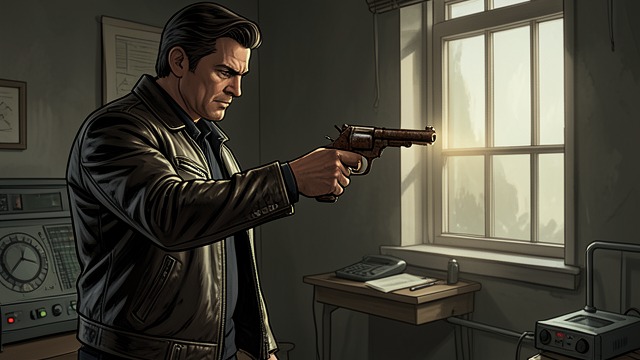
A Weapon From the Past
The Inherited Luger
Burke retrieves the Luger his father brought home after the Second World War. The gun has personal history but, to Burke, no obvious modern record in America.
Anonymity Assumed
He practices with the weapon and treats its age as protection. The assumption confuses a lack of ownership records with the absence of forensic evidence.
A False Identity

A False Identity
Company Without a Mill
Burke creates the name B. D. Industrial Papers, rents a post-office box, and pays for the job advertisement by money order. He makes the invented company appear plausible enough to attract applicants.
A Paper Trail by Design
Burke worries about being mistaken for a fraudster, but believes his deception leaves little connection to himself. The fake enterprise creates records that may later reveal more than he intends.
A Car Left Behind
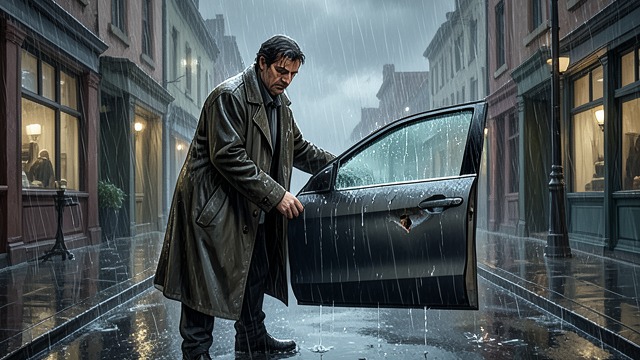
A Car Left Behind
The Collision Cover
After using the Voyager to kill Dynes, Burke creates a separate road collision to explain the damage. He obtains a police report and relies on the rainy conditions to make the account credible.
Suspicion Persists
A trooper later inspects the vehicle because it matches a wanted type. Burke learns that a plausible story can delay suspicion without eliminating the physical evidence.
The Gun Links Two Victims
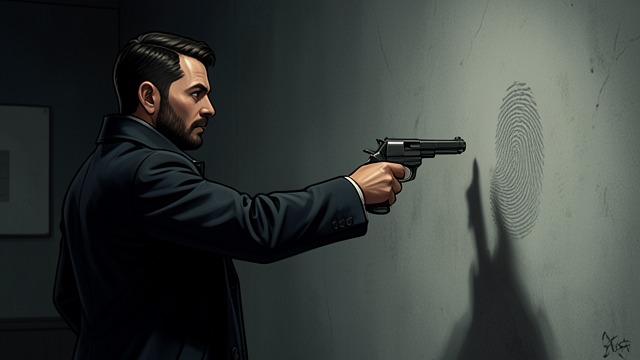
The Gun Links Two Victims
Ballistics Finds Continuity
Burton tells Burke that Everly and Asche were killed by the same weapon. The technical comparison turns separate attacks into a connected investigation.
Anonymity Fails
Burke recognizes that his father’s pistol has become a signature. His assumption that nobody could trace the gun proves wrong, forcing him to abandon it.
The Body and the Bags
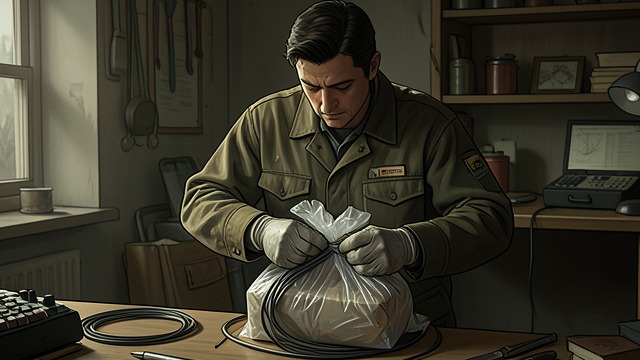
The Body and the Bags
Concealment at Home
Burke wraps Exman’s body and materials separately, using plastic, wire, and gloves to reduce traces. His garage becomes a temporary staging place inside the family home.
Disposal as Routine
He takes the remains to a recycling center and treats the destination as an extension of ordinary waste handling. The procedure shows how far his attention has shifted toward forensic management.
Early spring 1997
February–March 1997
Late May 1997
Late June 1997
Late June 1997, after Exman’s murder
